Facebook Ads to Amazon: Attribution and the Brand Referral Bonus
How to run Facebook ads to an Amazon listing: why Meta can't see the sale, how Amazon Attribution tracks it, and what the Brand Referral Bonus credits back.
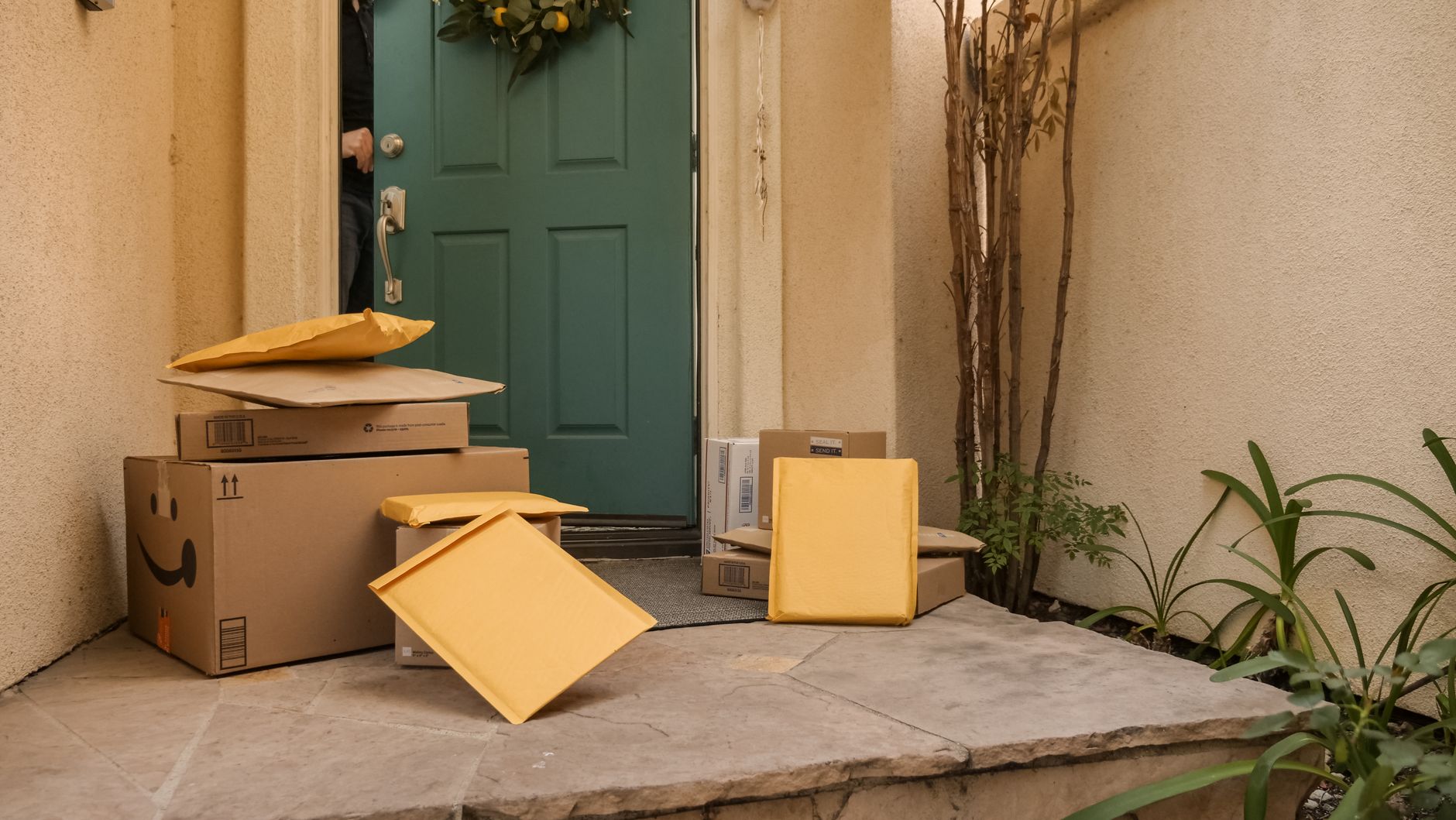
A jewelry brand we run ads for spent $887.77 on Meta ads between August 29 and September 16, 2026, all of it sending people to the brand’s own web pages: its online store and a separate sales funnel.
1,501 landing page views. 18 add to carts. 18 checkout starts. Zero customer purchases.
We paused everything on September 16. The brand’s customers already buy on Amazon, where its listings held 79 unique reviews averaging 4.42 stars when we pulled them in August. On a September 28 call, the plan changed: every Meta ad goes to Amazon, each ad carries its own Amazon Attribution link, and the video goes to its Amazon Brand Store.
Once a click leaves for Amazon, Meta can’t see what happens next, so the campaign is built and measured differently, and Amazon credits back part of those sales if the brand is enrolled. The campaign hadn’t launched when we wrote this, so there are no Amazon results here. This is the setup and the reasoning, plus one checklist item that said Done when it wasn’t.
Why Meta’s pixel can’t see an Amazon sale
Meta’s help center describes the Meta Pixel as code you add to your website, which logs what visitors do there so Meta can bid toward those actions. The same page notes that Meta’s Business Tools Terms bar you from placing your pixel on websites you don’t own.
An Amazon listing is Amazon’s website. So is your Brand Store. Your pixel doesn’t run on either one.
On the brand’s own pages, the pixel logged the landing page views, the carts and the checkout starts, which is why our sales ad sets could be optimized for checkout starts.
On Amazon, Meta’s view ends at the click, or at most the page load. In our setup, an Amazon sale has no way back into Ads Manager as a conversion, because there’s no pixel on the page to report it. So there’s no purchase event for the campaign to chase.
What’s left is a Traffic campaign optimized for link clicks, which Meta counts in its own apps, or for landing page views. Meta says landing page view optimization opened in July 2025 to advertisers with pixel sharing challenges, and that some views may be statistically modeled when data is missing. We built this campaign on link clicks, the number Meta counts directly. Either way, the goal is a visit. Not a sale.
What a traffic goal actually buys
While the ads pointed at the brand’s own pages, one ad set was optimized for landing page views, which Meta describes as showing the ad to the people most likely to click and load the page. The rest were optimized for checkout starts.
The landing page view set bought 912 landing page views for $235.70, the cheapest traffic on the account, and produced zero add to carts and zero checkout starts. The checkout start sets took 589 landing page views for $652.07 and produced all 18 carts and all 18 checkout starts.
It isn’t a clean test. The audiences differed, and the sets didn’t all point at the same page, which our post on the first twelve days covers. The direction is still hard to miss, and an Amazon campaign lives at a traffic goal for good.
So the filtering happens around the click. Before it: creative that sells the product, so the people who tap already want it, and Facebook and Instagram placements only, since a click goal on Audience Network buys accidental taps, which we’ve measured. After it: a per ad read of what the clicks bought on Amazon.
Amazon Attribution for Facebook ads: what it tracks
Amazon Attribution is Amazon’s free tool for measuring the traffic you send to Amazon from elsewhere. It’s open to professional sellers enrolled in Brand Registry, vendors, KDP authors, and agencies whose clients sell on Amazon.
It works through the link, not the page. Amazon’s guide describes each tag as URL parameters in the ad’s destination URL that let Amazon tie later shopping to the click. Tags come from ad groups you create in Amazon’s console, one tag per ad group.
For each tag, Amazon reports clicks, detail page views, add to carts, purchases, units sold, product sales and new to brand purchases, plus brand halo columns for your brand’s other products. Halo matters when an ad lands on your Store instead of one listing.
The window is 14 days, last touch. A purchase counts if it happens within 14 days of the click, and the most recent tagged click gets the credit.
The guide’s bulk upload turns one Ads Manager export into tags for up to 8,500 Facebook or Instagram ads. Your Store’s own insights may not match Attribution, because Amazon says the two attribute differently.
Nothing in our setup sends Amazon’s sales back into Meta’s bidding, so the join between Meta spend and Amazon sales is ours to make. That’s why every Attribution ad group gets the same name as its Meta ad.
How the Amazon Brand Referral Bonus (BRB) works
The Brand Referral Bonus is Amazon crediting back part of a sale when you bring the shopper in from outside. Amazon says the bonus averages 10% of qualifying sales, and you can earn it on social media campaigns, search and display ads, email and other marketing outside Amazon. The fine print decides what it’s worth:
- It’s a credit, not cash. The bonus comes as a credit that offsets referral fees on future sales.
- The rate depends on category and price. 10% is only the average. The Brand Referral Bonus help page in Seller Central carries an estimated rate table by category. Jewelry, for example, is listed at 14% on the portion of the price up to $250 and 3% on anything above that.
- It covers your other products. Amazon’s guide says the same bonus applies to other products from your brand bought within 14 days of the click.
- It arrives late. Amazon notes a two month processing time between the sale and the bonus.
- Amazon’s own ads don’t count. The bonus isn’t available for Amazon advertising, such as sponsored or video ads.
- You have to qualify and enroll. The help page limits it to selling partners with a Brand Representative role on a brand in Brand Registry, selling in Amazon’s US store, and says “All traffic must have an Amazon Attribution tag in order to qualify.”
- It needs your tax information. The bonus isn’t paid until you complete the program’s tax interview, and Amazon says earned bonuses expire six months after they’re earned if it asks for tax information and doesn’t get it.
”Done” on a checklist isn’t enrolled
On September 27 we added five rows to the project board we share with this client. The first combined two steps in one task: add our team to the brand’s Amazon account, and enroll in the Brand Referral Bonus.
The morning of September 28, the account invite arrived and the row was marked Done. That afternoon, on the call, it came out that the bonus wasn’t enrolled.
That’s on how the row was written. One task held two steps, and the first step to happen closed it. An invite is visible the moment it lands. An enrollment isn’t, unless someone opens the page.
The proof is the Brand Referral Bonus page in Seller Central itself, not a status on a checklist. Amazon lists enrollment as the first step, ahead of creating tags and driving traffic, and it calculates the bonus from qualifying sales “starting the day you enroll.” Tagged sales from before that day earn nothing. With a two month lag between a sale and its bonus, a missed enrollment can hide for a long time.
An account invite doesn’t carry enrollment rights, either. Amazon says a secondary user, which is what an agency login is, can only enroll once the account’s primary user grants View & Edit on Brand Referral Bonus under Settings, User Permissions. It’s the same lesson as a dashboard counter with no lead behind it.
How to set up Facebook ads to an Amazon listing, in order
- Confirm the account qualifies. A Professional selling plan, a brand in Brand Registry with brand representative status, and the US store for the bonus.
- Open Amazon Attribution in Amazon Ads, under Measurement & Reporting. Add an agency under Manage, then User management.
- Enroll in the Brand Referral Bonus and confirm it on the page, before any tagged ad spends. If someone other than the primary user will do it, grant them View & Edit on Brand Referral Bonus first.
- Pick each ad’s destination. A detail page to sell one product, the Store to invite browsing. Only products in stock with photos and prices can be measured.
- Make one Attribution ad group for every link in every Meta ad, named like the Meta ad. Amazon recommends a tag for each ad, link and button, so a four card carousel gets four.
- Paste each tag in before the ad goes to review. Meta says changing a running ad’s creative, links included, triggers a new review. Never reuse a tag.
- Build the Meta side for clicks: Traffic objective, link clicks, Facebook and Instagram placements.
- Day 2: check the plumbing. Amazon says to confirm traffic two days after tagging. Compare Attribution clicks with Meta link clicks for each ad. Amazon says a 10 to 20% gap can come from how each side counts clicks. Past that, look for shared tags or mismatched date ranges.
- Day 7: read detail page views and add to carts. Recent clicks are still inside their window, so don’t cut on sales yet. Clicks that rarely become detail page views are taps, not shoppers. Compare listing ads with listing ads, since a Store visit only counts a detail page view once the shopper opens a product.
- Day 15: read the sales. The first day’s clicks have had their full 14 days. Put each tag’s purchases, product sales and new to brand purchases next to its ad’s spend, and make the first keep or cut calls. After that, judge each week’s clicks 14 days after the week ends.
Leave the bonus, which posts about two months after the sale, out of that math. Our paid advertising service page covers how we build and govern spend like this.
Sending ads to Amazon or your own site: the tradeoffs
You don’t get the customer. Amazon’s Communication Guidelines limit seller messages to what’s needed to complete an order or answer a customer service inquiry, and rule out marketing or promotional messages, coupons included. An Amazon sale doesn’t add anyone to your email list.
Your retargeting gets thinner. Meta never sees the listing, so it can’t build an audience of the people who viewed it.
The fees stay. Amazon’s referral fee for jewelry is 20% on the portion of the sales price up to $250 and 5% on any portion above that, with a $0.30 minimum per item. On the first $250 of an attributed sale, that’s a 20% fee against a 14% estimated bonus, and the bonus arrives two months later as a credit.
What you get is the proof, in place. The shopper lands next to the reviews and pays through Amazon’s checkout, not a store they found through one ad. For a brand whose own pages turned 1,501 landing page views into zero customer purchases, that’s the trade worth testing.
What this doesn’t mean
It doesn’t mean the brand’s own site is worthless. It still does jobs Amazon won’t allow, starting with building an email list. Paid traffic from strangers just goes where the proof already lives.
It doesn’t mean every brand should run Facebook ads for Amazon products. For a seller without Brand Registry, there’s no Attribution and no bonus. If your margin can’t carry the referral fee, or your business runs on customers you contact directly, your own site is still the better destination.
And the bonus isn’t guaranteed revenue. It varies by category and price, arrives about two months late as a credit against future fees, and only covers attributed sales inside the 14 day window. Build a campaign that works without it.
FAQ
Can you run Facebook ads to an Amazon listing?
Yes. Use a Traffic campaign optimized for link clicks, with an Amazon Attribution tag in each ad’s destination URL pointing at the product’s detail page or your Brand Store. Your pixel can’t run on Amazon’s pages, so Meta has no Amazon purchase event to optimize for.
Does the Meta pixel track Amazon sales?
No. Meta’s pixel is code on your own website, and Meta’s terms say not to place it on sites you don’t own. Amazon Attribution is how you see what your ads sold there, with detail page views, add to carts, purchases and sales for each tag.
Is Amazon Attribution free?
Yes. Amazon calls it a free measurement solution. It’s open to professional sellers enrolled in Brand Registry, vendors, KDP authors, and agencies whose clients sell on Amazon.
How much is the Amazon Brand Referral Bonus?
Amazon says it averages 10% of qualifying sales, and the rate varies by product category and sales price. Its estimated rate table lists jewelry, for example, at 14% on the portion of the price up to $250 and 3% above that. It’s paid as credits that offset referral fees on future sales, about two months after the sale. It doesn’t apply to Amazon’s own ads, such as sponsored or video ads.
How long is the Amazon Attribution window?
Fourteen days, last touch. A purchase has to happen within 14 days of the click to count, and the most recent click gets the credit. The Brand Referral Bonus also covers your brand’s other products bought in that window.
Tag every ad before it spends
Meta will get very good at buying you clicks. It can’t tell you which of them bought anything. That answer lives in Amazon’s report, one tag at a time, so the tags go on before the first dollar does.
Want a second opinion on ads that send buyers to Amazon? Book a 15-minute call. No deck, no fluff. Strategy first. Tactics second. The work works.
Reliable PR & Marketing is a strategy-first marketing agency in Bakersfield, California. We run integrated SEO, PR, web, and content for founder-led companies across Kern County and nationwide. Strategy first. Execution always.