ChatGPT Ads Cost in 2026: Pricing and How to Advertise
ChatGPT ads pricing: a $25 daily minimum in the US and a suggested $3 to $5 max cost per click. How to advertise on ChatGPT and what to check before you buy.
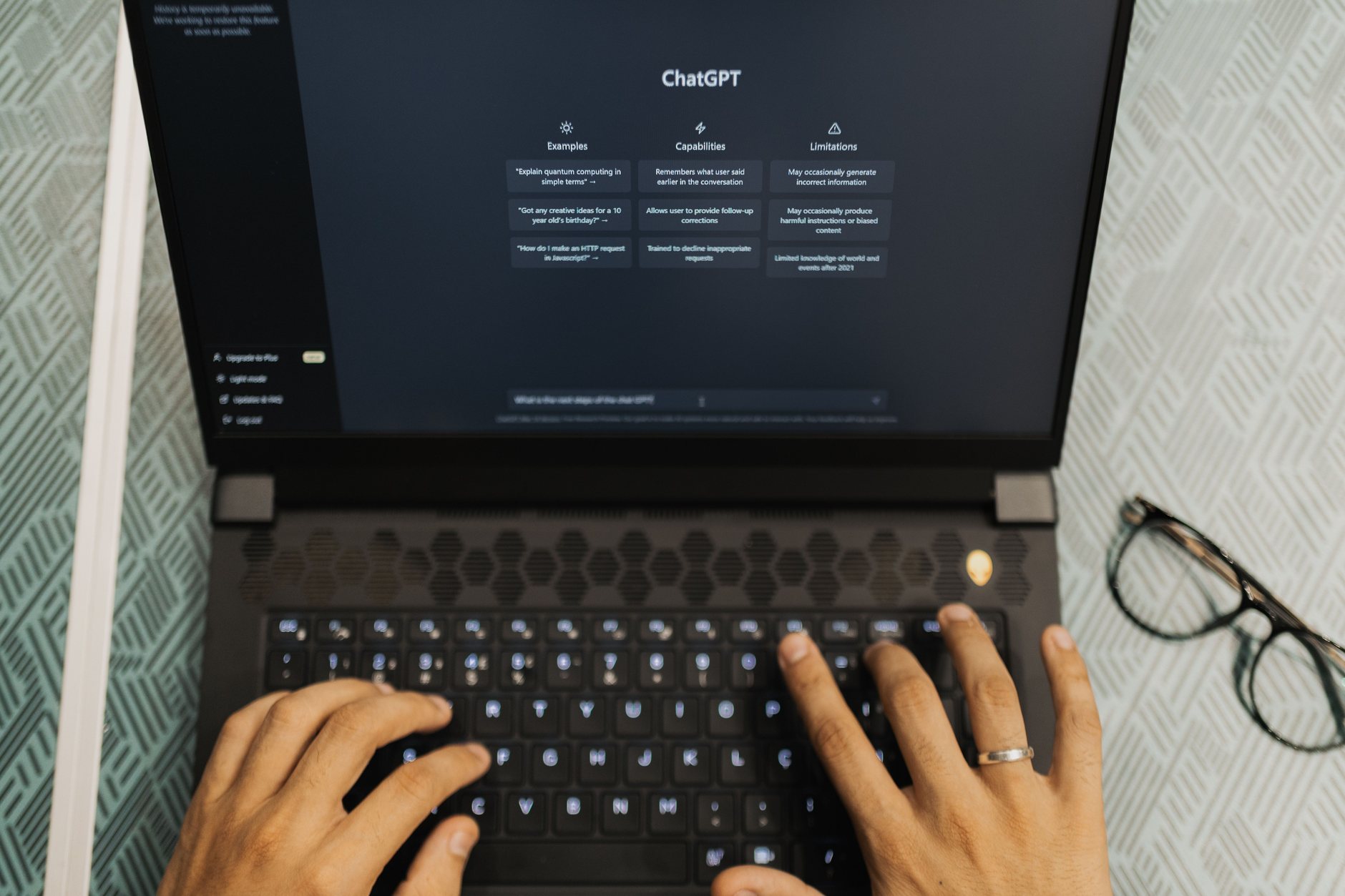
A year ago, you couldn’t buy an ad inside ChatGPT. Now more than 100,000 advertisers have, in 89 countries, and a business can set up a campaign itself in OpenAI’s own Ads Manager.
It’s moved fast enough that a lot of what’s written about ChatGPT ads cost and setup is already out of date. Cost per click bidding arrived in May, a new ad format went into testing this month, and 26 more countries came on in a single announcement.
The short version on pricing: the US minimum is $25 a day, and OpenAI suggests starting with a max cost per click of $3 to $5. Below are the details, plus the one check we’d run before spending a dollar.
How do ChatGPT ads work?
ChatGPT ads show up for people on the Free and Go plans. According to OpenAI’s ads help center, people on Plus, Pro and Business plans don’t see ads, and neither do users under 18.
The platform has changed fast this year:
- May: OpenAI opened a self serve Ads Manager in beta and added cost per click bidding. Before that, ads were bought on impressions only. The same announcement named agency partners Dentsu, Omnicom, Publicis and WPP, and technology partners including Adobe, Criteo, Kargo, Pacvue and StackAdapt.
- October 5: OpenAI announced a visual ad format to test inside image generation for Free and Go users in the US, plus measurement partners Hightouch, Tealium, LiveRamp, AppsFlyer, Triple Whale and Northbeam. It also added negative phrases, so you can keep ads away from conversations you don’t want to appear in, and brand suitability pilots with DoubleVerify and IAS.
- October 21: OpenAI expanded ads to 26 more countries, 89 in total, and said more than 100,000 advertisers have used ChatGPT ads in just over eight months.
You can buy them two ways: through a partner or agency, or yourself in Ads Manager.
How much do ChatGPT ads cost?
The numbers that matter, all from OpenAI’s own help center:
- The US minimum is $25 a day. That’s about $750 a month if you leave it running.
- Your daily budget is an average. Per OpenAI’s daily budget rules, spend averages out over seven days. A single day can spend up to twice your daily budget, but a week won’t spend more than seven times it.
- You pay for impressions or clicks, never for conversions. You choose the bidding model, and you’re billed on what you chose.
- OpenAI suggests starting with a max cost per click of $3 to $5. That number is a ceiling for any single click.
For context, WordStream’s 2026 Facebook ads benchmarks put the average cost per click on Meta traffic campaigns at $0.60. A ChatGPT click that costs several dollars has to be worth several times more than a Meta click to pay off. It might be: someone who clicked from a conversation where they asked for exactly what you sell is a warmer visitor than someone who tapped an ad while scrolling. Measure that before you count on it.
OpenAI’s ads site also lists a $500 ad credit once you’ve spent $500, with the offer ending December 31.
How to advertise on ChatGPT
To run a test, this is the setup we’d use:
- Pick how you’ll buy. Ads Manager at ads.openai.com if you’re running it yourself, or a partner if you already buy media through one.
- Set a budget you can hold for two weeks. At the $25 minimum, that’s about $350. Because budgets average over seven days, judging a campaign after two or three days doesn’t tell you much.
- Choose your bidding. Cost per click is easier to compare with what you pay on Google and Meta. Start inside OpenAI’s suggested $3 to $5 range and watch what you actually pay.
- Add negative phrases on day one. Think about the conversations you don’t want your brand next to, and block them before launch.
- Tag every link with UTMs. OpenAI’s help center says UTM parameters carry through, so your visits show up in Google Analytics under the source you set.
- Judge it on real outcomes. Count calls, booked appointments, purchases and form fills.
Do ChatGPT ads work?
OpenAI has shared early results from advertisers, each measured by an outside partner:
- WeightWatchers saw cost per acquisition 15.3% below its blended paid search benchmark, measured by DV Rockerbox.
- Dose found 67% of incremental purchases came from new customers, measured by WorkMagic.
- Portland Leather found 93% of visitors from its ads were new to the brand, measured by Triple Whale.
Those are OpenAI’s chosen examples, so read them as best cases. All three point the same way: ChatGPT ads seem to reach people who weren’t already finding the brand somewhere else.
Before you pay: see what ChatGPT already sends you
ChatGPT already sends people to websites for free, every time it cites a source in an answer. Before buying that traffic, find out what you’re already getting.
We did this on our own site. A visitor who found us through ChatGPT filled out our audit form and became a lead. Hidden fields on the form recorded where they came from: the referrer was chatgpt.com, and the link carried utm_source=chatgpt.com, which ChatGPT adds to many of the links it cites.
Then we looked at the whole picture in GA4, which now has an AI Assistant default channel. Over ten days in September, chatgpt.com sent us 9 sessions, 7 of them engaged, with 28 page views. Seven of the nine landed on case study pages. People who come from ChatGPT come to read proof.
That told us two things before we’d spent anything. ChatGPT already sends us qualified visitors when it cites us, and the pages that earn those visitors are the ones full of results. To set up the same check, start with how to track ChatGPT traffic in GA4, then how to get cited by ChatGPT in the first place.
Who should test ChatGPT ads right now?
ChatGPT ads make sense to test if you have:
- A clear offer and a landing page that already converts from other channels
- Enough budget to run at least two weeks without stopping
- Tracking that counts calls, bookings and sales
If your site doesn’t convert yet, fix that first. Paid clicks at several dollars each will only make an unconverting page more expensive. And if ChatGPT doesn’t mention your business when people ask about your category, start with why your business might not show up in ChatGPT.
FAQ
How much do ChatGPT ads cost?
In the US, the minimum budget is $25 a day. You can pay per impression or per click, and OpenAI suggests starting with a maximum cost per click of $3 to $5. You’re never billed per conversion.
Is there a minimum spend for ChatGPT ads?
Yes. OpenAI’s help center lists a $25 daily minimum in the US. Your daily budget averages over seven days, so a single day can spend up to twice the daily amount.
How do you advertise on ChatGPT?
Set up a campaign yourself in OpenAI’s Ads Manager at ads.openai.com, or buy through an agency or partner. Pick impression or click bidding, set a daily budget of at least $25 in the US, add negative phrases and tag every link with UTMs.
Who sees ads in ChatGPT?
People on the Free and Go plans. Users on Plus, Pro and Business plans don’t see ads, and neither do users under 18.
Can you track conversions from ChatGPT ads?
Yes. UTM parameters carry through to your site, and OpenAI works with measurement partners including Triple Whale, Northbeam, AppsFlyer and LiveRamp. You’re billed on impressions or clicks, so tracking what happens after the click is up to you.
Are ChatGPT ads available outside the US?
Yes. As of October 21, 2026, ChatGPT ads run in 89 countries.
Where ChatGPT ads fit in a 2026 ad budget
ChatGPT ads are real, they’re growing fast, and the early results OpenAI has shared are strong. They’re also new, priced above most social clicks, and billed on clicks rather than results. That makes it a channel worth testing with a set budget, a set time frame and a clear line for what counts as working. It’s how we approach every new platform in paid advertising.
Thinking about testing ChatGPT ads? Book a 15-minute call and we’ll look at what ChatGPT already sends you before you spend a dollar. No deck, no fluff. Strategy first. Tactics second. The work works.
Reliable PR & Marketing is a strategy-first marketing agency in Bakersfield, California. We run integrated SEO, PR, web, and content for founder-led companies across Kern County and nationwide. Strategy first. Execution always.