How Much Do Facebook Ads Cost in 2026? Real Benchmarks
Facebook ads cost $0.60 a click and $27.39 a lead on average in 2026. Benchmarks by industry, what to budget per month and per day, and two real campaigns.
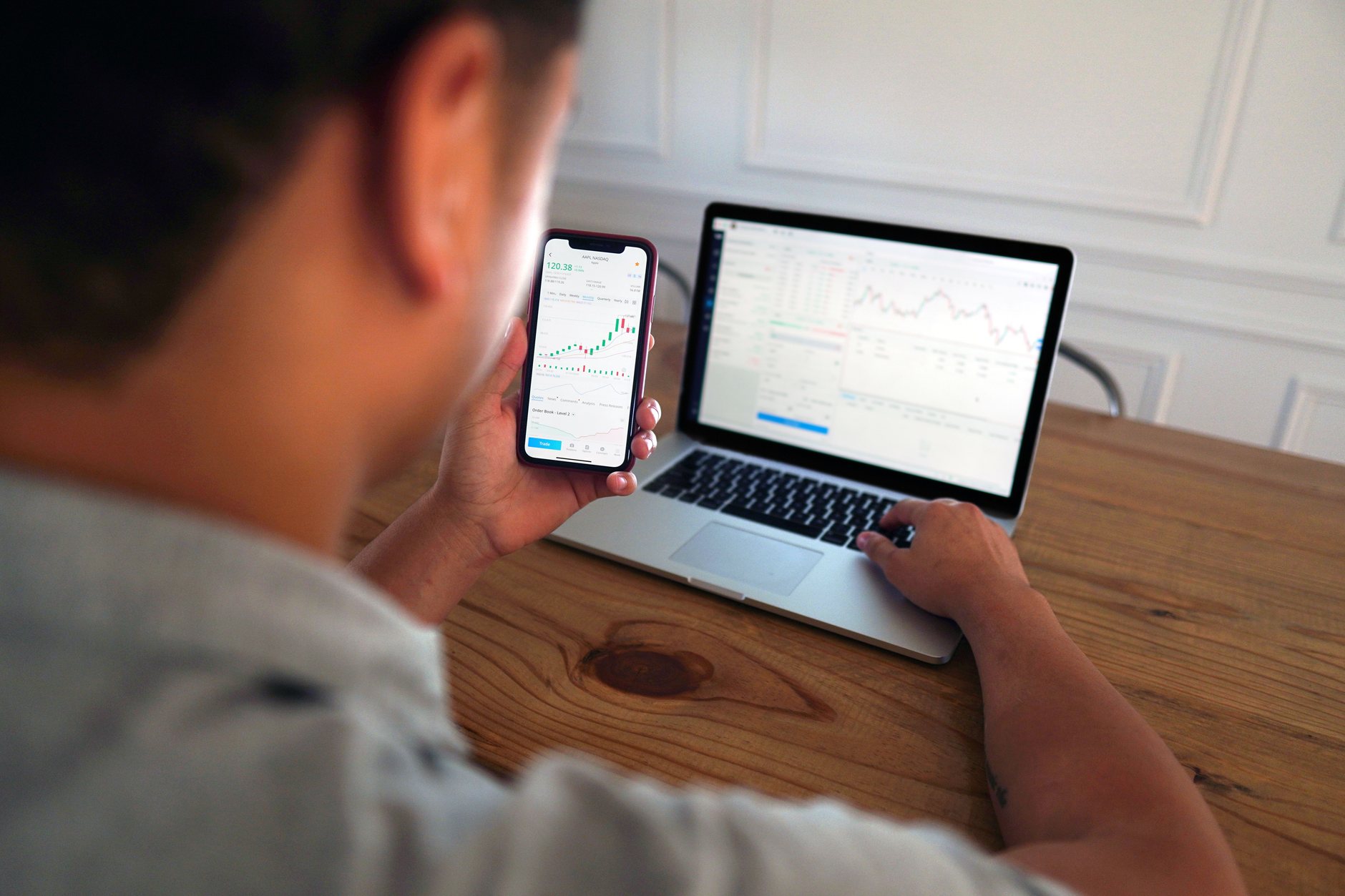
Facebook ads cost an average of $0.60 a click in 2026, and the average lead costs $27.39. Both numbers come from WordStream’s new benchmarks, built from more than 1,800 campaigns, and both moved in the right direction this year.
But an average is only a starting point. A restaurant pays about half what a finance company pays for a click, and a dentist pays more than four times what a real estate agent pays for a lead.
At a $25 daily budget, Facebook ads cost about $750 a month. What that buys depends on your industry and the objective you pick.
How much do Facebook ads cost per click in 2026?
WordStream’s 2026 Facebook ads benchmarks, updated September 15, put the average cost per click for traffic campaigns at $0.60, down from $0.70 last year. The click rate (CTR) went up at the same time, from 1.71% to 1.93%. More people are clicking, and each click costs less.
What you’ll pay depends a lot on your industry. A few from the report:
- Restaurants and food: $0.45 a click, with a 2.68% CTR
- Apparel, fashion and jewelry: $0.71 a click
- Finance: $0.86 a click
The same report says Google’s average cost per click is more than double Meta’s, and that more than 90% of the small businesses WordStream surveyed use Facebook.
What’s the average cost per lead on Facebook?
Lead campaigns are where the cost per click goes up and the real math starts. For campaigns set to the Leads objective, WordStream found:
- CTR: 2.70%
- Cost per click: $1.80
- Conversion rate: 8.54%
- Cost per lead: $27.39
The range by industry is wide. The cheapest leads were in Career ($12.30) and Real Estate ($13.74). The most expensive were Dentists ($61.56) and Beauty ($50.91). Health and Fitness landed almost exactly on the average at $27.11.
That spread is why “is $30 a lead good?” doesn’t have one answer. For a career coach, it’s more than double the benchmark. For a dental office, it’s about half.
How much do Facebook ads cost per month for a small business?
Start with the math. At $25 a day, you’ll spend about $175 a week and $750 a month. At the average cost per lead of $27.39, that buys about 27 leads.
The better question is whether a lead is worth more than $27 to you. If one in five leads becomes a customer, each customer costs about $137 in ad spend. If a customer is worth more than that to your business, the math works. If not, you need a cheaper lead or a better close rate before you spend more.
Before any campaign goes live, we write down three numbers:
- The target cost per lead. What we expect to pay, based on the industry benchmark and what a customer is worth.
- The pause line. The cost per lead, after a set amount of spend, that tells us to stop and fix something.
- The scale line. The cost per lead, held for a set number of days, that tells us to spend more.
Writing them down first keeps the decision honest. It’s easy to talk yourself into “give it another week” when there’s no line on paper.
What our campaigns actually cost
Benchmarks are averages. Two campaigns we run right now show what the numbers look like up close.
A bakery brand: $2.51 a lead on day one
This campaign went live on the afternoon of October 26. The goal is to get people to sign up for a free seven day breakfast plan, which lands in their inbox the same minute they sign up. If they haven’t ordered two days later, they get one nudge.
The setup:
- Objective: Leads, with a short sign up form inside Facebook and a Sign up button
- Budget: $25 a day
- Placements: chosen by hand, with Audience Network left out
- Audience: a 1% lookalike of past buyers, with Advantage+ audience turned off
- Creative: four short video clips
Before a dollar went out, we set the lines: a target of $3 to $5 a lead, pause anything above $8 a lead once it’s spent $150, and scale if it holds under $4 for seven days.
First afternoon: $17.58 spent, 7 leads, $2.51 a lead. All seven came from one clip, which spent $10.63 for $1.52 a lead, with 16 link clicks and a 15.8% CTR. Across all four clips, the campaign logged 367 impressions and 21 link clicks.
That’s one afternoon of data, so treat it as an early read. It’s also a free plan, which is an easier yes than a quote request, so it should land well under the $27.39 average. What it already shows is which clip is doing the work.
A B2B SaaS brand: 5.5 cents a view
This one had a different job. The goal of this flight, October 19 to 26, was video views: getting the brand’s video in front of the right people and having them actually watch it.
Results: $433.76 for 7,904 ThruPlays, about 5.5 cents each. A ThruPlay is Meta’s count of someone watching 15 seconds of a video, or to the end if it’s shorter. The flight reached 7,871 people across 19,832 impressions, about $21.87 per thousand impressions. It logged 2,012 full watches and 123 link clicks.
A views campaign isn’t built to produce leads, so its numbers don’t belong next to a lead campaign’s. Pick the objective for the job, then judge it on that job’s number.
Why your Facebook ads might cost more than the benchmark
If your numbers are well above the averages, it’s usually one of four things.
The wrong objective. Facebook optimizes for exactly what you tell it to. Ask for link clicks and it finds people who click, whether or not they buy. And if the conversion event you’re optimizing for fires at the wrong moment, the whole campaign learns from bad data. We saw this with a sign up event that only fired after people confirmed an emailed code.
Placements nobody chose. Automatic placements can send most of a budget to places your customers never look. In one launch, 90% of the budget went to a placement nobody picked, and the cheap clicks came with no customers.
Weak or tired creative. The ad itself is the biggest lever you control, and we broke down how we get cost per click down on Meta ads.
Judging too early. Results swing the most in the first days, while Meta’s delivery system is still learning who responds. Set your pause line on spend, not on one bad Tuesday.
What to measure besides cost per click
A low cost per click is easy to celebrate, but the number that matters is what you pay for the outcome you actually want: a booked call, a sale, a sign up you can follow up with.
We’ve seen both sides of this. A dashboard can count a lead that never existed anywhere else, and ads can fill carts that nobody pays for. Cheap traffic only counts when it turns into something you can see outside the ad dashboard.
FAQ
How much do Facebook ads cost per click in 2026?
The average cost per click for Facebook traffic campaigns is $0.60 in 2026, down from $0.70, according to WordStream’s benchmarks from more than 1,800 campaigns. Lead campaigns average $1.80 a click.
What’s a good cost per lead on Facebook?
The 2026 average is $27.39, but it depends on your industry. Career and real estate leads average under $14, while dentists average $61.56 and beauty $50.91. A good cost per lead is one that’s lower than what a lead is worth to your business.
How much should a small business spend on Facebook ads?
A $25 a day budget is about $750 a month, which buys roughly 27 leads at the average cost per lead. Whatever you spend, set a target cost per lead, a pause line and a scale line before you launch.
How much do Facebook ads cost per day?
There’s no set daily price. You choose your own daily budget, and Meta spends against it in an auction. At $25 a day, you’d spend about $175 a week and $750 a month.
Are Facebook ads cheaper than Google ads?
Per click, usually. WordStream’s 2026 report says Google’s average cost per click is more than double Meta’s. People searching on Google can be closer to buying, so compare what each channel costs per customer as well as per click.
Which industries pay the most for Facebook leads?
In WordStream’s 2026 benchmarks, dentists and beauty businesses paid the most, at $61.56 and $50.91 a lead. Career ($12.30) and real estate ($13.74) paid the least.
Setting your Facebook ads budget for 2026
Facebook ads cost less per click than they did a year ago, and the new benchmarks give you a real starting point. But the campaigns that work start with a number on paper: what a lead is worth, what you’ll pay for one, and when you’ll stop. It’s how we run every campaign in paid advertising.
Want to know what your Facebook ads should cost? Book a 15-minute call and we’ll look at your numbers against the benchmarks. No deck, no fluff. Strategy first. Tactics second. The work works.
Reliable PR & Marketing is a strategy-first marketing agency in Bakersfield, California. We run integrated SEO, PR, web, and content for founder-led companies across Kern County and nationwide. Strategy first. Execution always.